The GameStop bid for eBay is crazy. The idea behind it isn't.
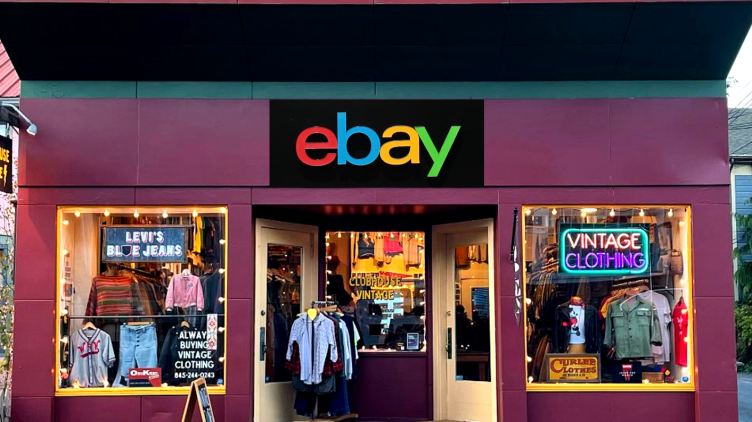
My kids say they hate social media. But they'll spend hours watching a stranger sell vintage Levi's and used guitars live on TikTok.
That contradiction tells you everything about where commerce is heading. When it comes to the hunt — the thrill of real product, real scarcity, a real person vouching for what they're selling — they have no problem with social media. It's the same psychology that drives them into record stores, baseball card shops, and vintage apparel spots on weekends. Tactile. Authentic. Earned.
So when Ryan Cohen made his unsolicited bid for eBay two days ago, most people focused on the chaotic CNBC interview and the financing math that doesn't quite add up. I was skeptical too — but I saw the strategic vision buried underneath. What if you turned GameStop's 1,600 US locations into local resale destinations — carrying authenticated sneakers, vintage tees, records, Pokémon cards — all backed by eBay's buyer guarantee? Sellers drop product off locally. No packing. No shipping anxiety. No disputes about condition. Buyers come in, touch it, trust it. And every item is simultaneously listed live on eBay for the customer who can't make it in. The store becomes the authentication hub. The fulfillment center. The live commerce studio. Physical retail doesn't need saving. It needs a purpose. Resale gives it one.
Gen Z already knows this. They've been living it. The question is whether legacy brands and marketers are paying close enough attention. Is the future of resale a physical experience backed by digital trust infrastructure — and is anyone positioned to build it?